
RIVER Magazine is not here to produce more content. The world is drowning in content.
We’re here to create context. To gather scattered ideas and place them in relationship. To slow the feed down long enough to ask: What does this mean? Why does it matter? Where does it fit?
We curate not for volume, but for coherence. We connect threads. We identify patterns. We build thought frameworks that help people see clearly in an age of distortion. We’re not about chasing trends or feeding algorithms; we’re about cultivating discernment.
Social media is addicted to reaction, we choose reflection.
We’re not content creators. We’re context creators — stewards of meaning, architects of perspective, and curators of a way of seeing that helps people stay human in a world that would rather keep them scrolling.
At RIVER Magazine, the wind behind our work is the human desire for meaning and fulfillment. And we believe that the hunger is real — and increasingly unmet in a culture saturated with volume.
So we are restoring context to the stream of ideas and experiences that flood our lives. We examine them. We weigh them. We reconnect them to lived reality.
Substance is the test.
If an idea cannot carry weight, if it cannot endure beyond reaction, it cannot satisfy the deeper human longing for meaning.
We are not here to add to the volume. We are here to measure it — and to build what lasts.

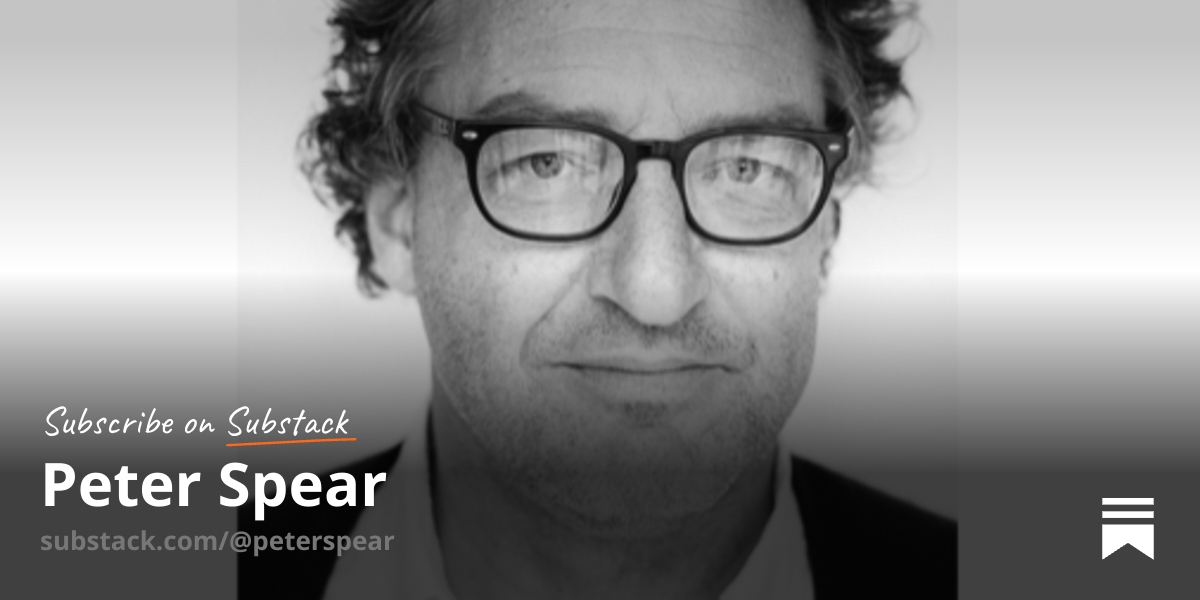

Is Agency More Important than Aid?
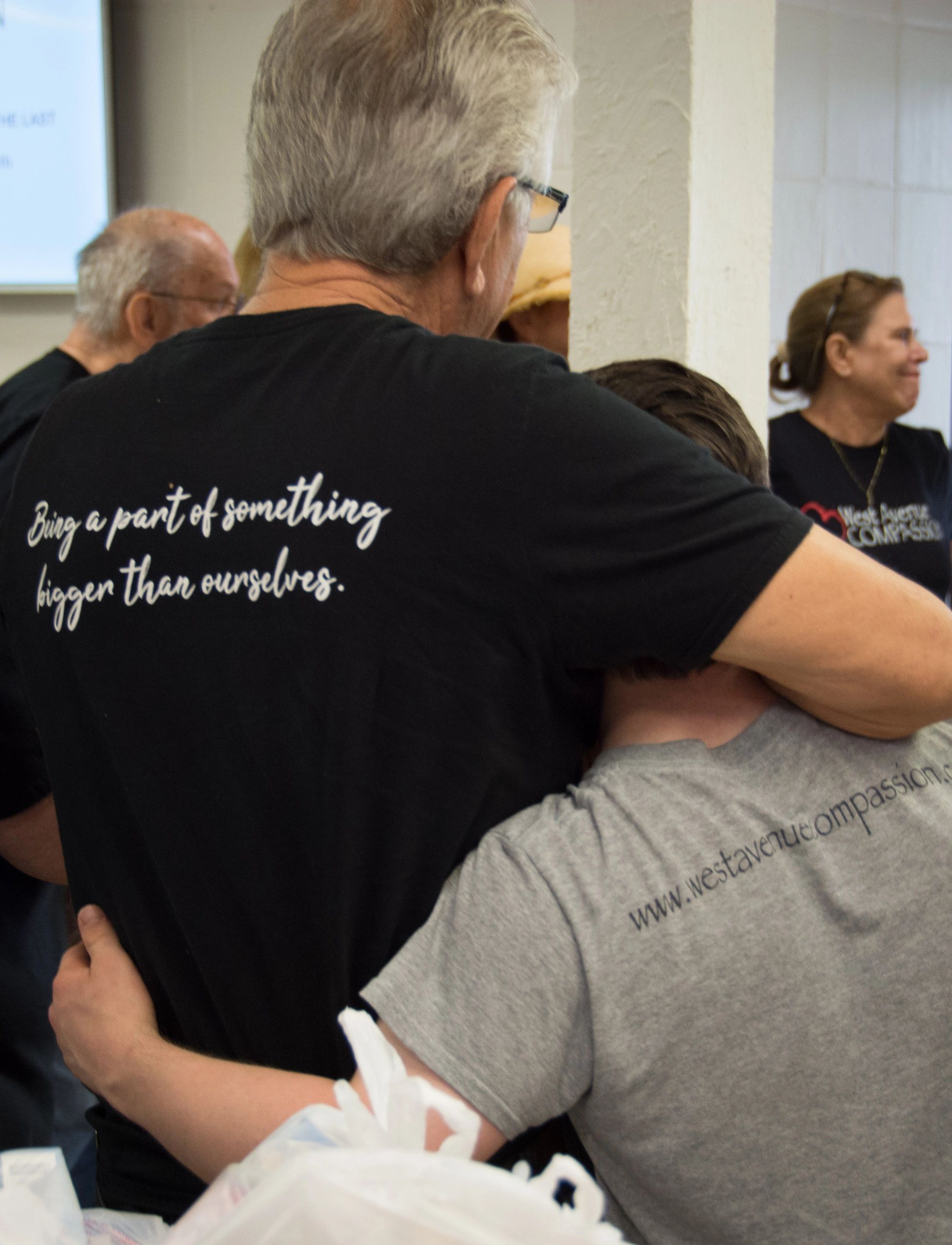
For decades, many nonprofits and charitable organizations have focused primarily on providing aid. And sometimes, that’s necessary. Immediate needs matter.
But as funding pools tighten and demand continues to grow, it’s more important than ever to move beyond relief alone and begin promoting agency.
When organizations prioritize agency, they’re not just helping clients survive — they’re equipping them to stand. To decide. To build. To move forward on their own terms.
Promoting agency doesn’t just strengthen individuals; it relieves strain on an already underfunded and overextended system.
Aid addresses the moment. Agency transforms the future.
Agency is the aid of the future.







Comfort, Conviction, and the Line in the Sand
A couple of years ago, there was this idea of “quiet quitting.” It was a trend where people would show up for work but do the absolute minimum. They adopted a mindset that they had already quit their job, but they still needed to show up to get a paycheck.
That’s the stupidest thing I’ve ever heard.
Here’s my take: If you don’t like your job, get a different one. Find something you do enjoy. I’m of the opinion that anything one does, they should give it their absolute best effort — even if they’re not getting paid — but especially if they are.
As you know, if you keep up with my essays, I do a great deal of volunteer work; and I do my volunteer job with the same motivation and dedication that I would if I were earning a paycheck. Anything I do in life, I do the very best job I’m capable of.
They used to call this sort of thing a “work ethic.” Although that seems to be in fairly short supply these days. But the issue goes further than simply being a bad employee. Not only are quiet quitters robbing their employer of expected work, they’re also robbing themselves of the dignity, self-respect, and satisfaction of having done a good job. And when we lose our dignity and self-respect, what do we really have left?
Now, this brings me to a different sort of quiet quitting. There’s a new idea of quietly quitting the system. In this type of quitting, the proponents aren’t advocating doing less than one’s best; they’re proposing the idea of minimal participation in a system they find offensive — contrary to their sense of morality and personhood.
This is an entirely different kind of thing. This kind of thing upholds dignity and self-respect. In fact, it’s the opposite of the other kind. Voluntary withdrawal from participation in a system one finds objectionable is nothing new. Henry David Thoreau undertook a similar experiment in the 1850s — leaving us with a beautiful account of his experience.
In fact, this has been a popular lifestyle and political choice for much of recorded history. There’s a saying: If you can’t beat ’em, join ’em. But this philosophy of “dropping out” is quite the opposite. It’s more like: If you can’t beat ’em, forget ’em. (Or something stronger. LOL.)
It reminds me of the saying from the ’60s, popularized by Timothy Leary: “Turn on, tune in, drop out.” Leary explains in his 1983 autobiography Flashbacks:
Turn on meant go within to activate your neural and genetic equipment. Become sensitive to the many and various levels of consciousness and the specific triggers engaging them. Drugs were one way to accomplish this end.
Tune in meant interact harmoniously with the world around you — externalize, materialize, express your new internal perspectives.
Drop out suggested an active, selective, graceful process of detachment from involuntary or unconscious commitments. Drop out meant self-reliance, a discovery of one’s singularity, a commitment to mobility, choice, and change.
In public statements, I stressed that the Turn On–Tune In–Drop Out process must be continually repeated if one wished to live a life of growth.
Unhappily, my explanations of this sequence of personal development are often misinterpreted to mean “get stoned and abandon all constructive activity.”
Being a bit of a self-professed hippie, I’m always drawn to countercultural ideas. But I’d like to propose a middle path. I’d propose that we find a way to leverage the positive benefits of the system while still remaining morally unadulterated. Find a way to maintain our moral dignity without having to live in a cave somewhere, cooking roadkill over an open flame.
You see, I kind of like comfort. I like being able to go to the grocery store. I like a comfortable, climate-controlled house and a reliable car. I like healthcare. I like retirement income. I like the benefits society has to offer. But I, like my comrades of deep conviction, am not willing to sacrifice my dignity and self-respect for excessive creature comforts. Though, being somewhat weak-willed, I might be willing to bend the knee a little for modest comforts. But there must be a line in the sand. The line must be drawn somewhere.
And that line in the sand is for each individual to determine for themselves. The great captain Jean-Luc Picard once said: The line must be drawn here! This far, no further!
So, good luck in drawing your lines. I fear that this time — where we choose to draw them — will have great consequences, in both directions.