Just Me Being Ernest
People move faster now, but they do not go very far. They wake to a screen and sleep to a screen and call it living because something is always happening there.
The noise never stops. It hums in their pockets, sits with them at the table, follows them into bed. A man used to sit with his thoughts and let them come slow, like a gator rising in dark water.
Now he checks them, counts them, measures them against other men’s thoughts, and calls that truth.
He is busy all day and empty all night. He mistakes motion for purpose. He forgets that most things worth knowing do not announce themselves. They just come. In their own good time.
Once, a man knew the weight of a thing because he carried it. Work had a shape. So did rest. You could look at a man's posture and know where he stood.
Now the lines are blurred and everyone's backs are bent from staring into the scrying glass of a smartphone.
A man can spend his whole life arranging small comforts and never once feel at home. He grows careful. Too careful. He avoids loss and so avoids living. But the truth is simple and it has not changed. You must choose what is worth living for. You must do it plainly and without spectacle.
And when you find something true, you hold it close and keep it clean.
Everything else is just nonsense.
Maybe we can no longer have everything that we used to think we wanted. But that gives us room to now have everything we never knew we needed.

We Shouldn’t Try to Do It Alone
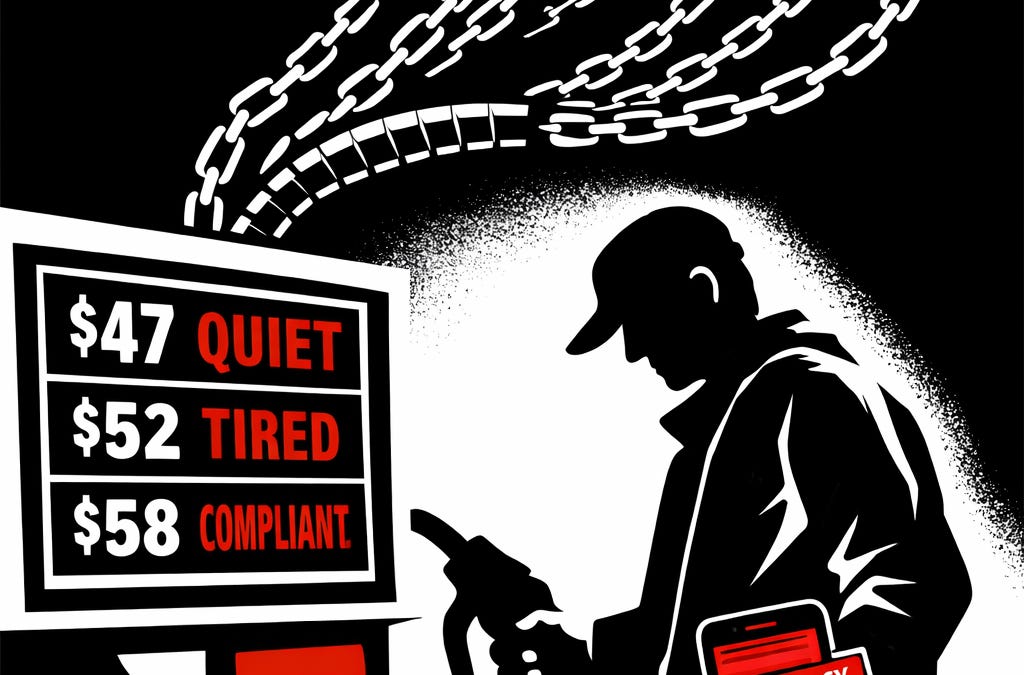
We keep telling ourselves that the problem is excess. Too much information. Too much news. Too many options. Too many things to worry about.
But maybe it's not so much the knowing that feels so heavy... maybe the problem is that we are carrying it all alone.
It’s this modern expectation that we’re supposed to absorb all of the loss and fear and uncertainty, but still show up to our lives like everything is fine.
Still go to work. Still smile. Still function. As if the human heart was designed to process global grief in isolation and call it “being informed.”
It wasn’t. It never was. We are trying to metabolize something that was meant to be shared… dispersed… held in common. And instead, we sit alone with it, scrolling, internalizing, pretending this is normal.
It’s not normal… It’s lonely.
And history, if you look at it honestly, has never been about individuals muscling through the weight of the world by themselves. It’s always been collective.
Always.
People survived because they leaned into each other. Because they built circles, not silos. Because grief was witnessed, not hidden. Shared, not privatized. That’s what we’ve forgotten. Or maybe, that’s what's been slowly stripped away.
But our community nature is still there, underneath everything… waiting.
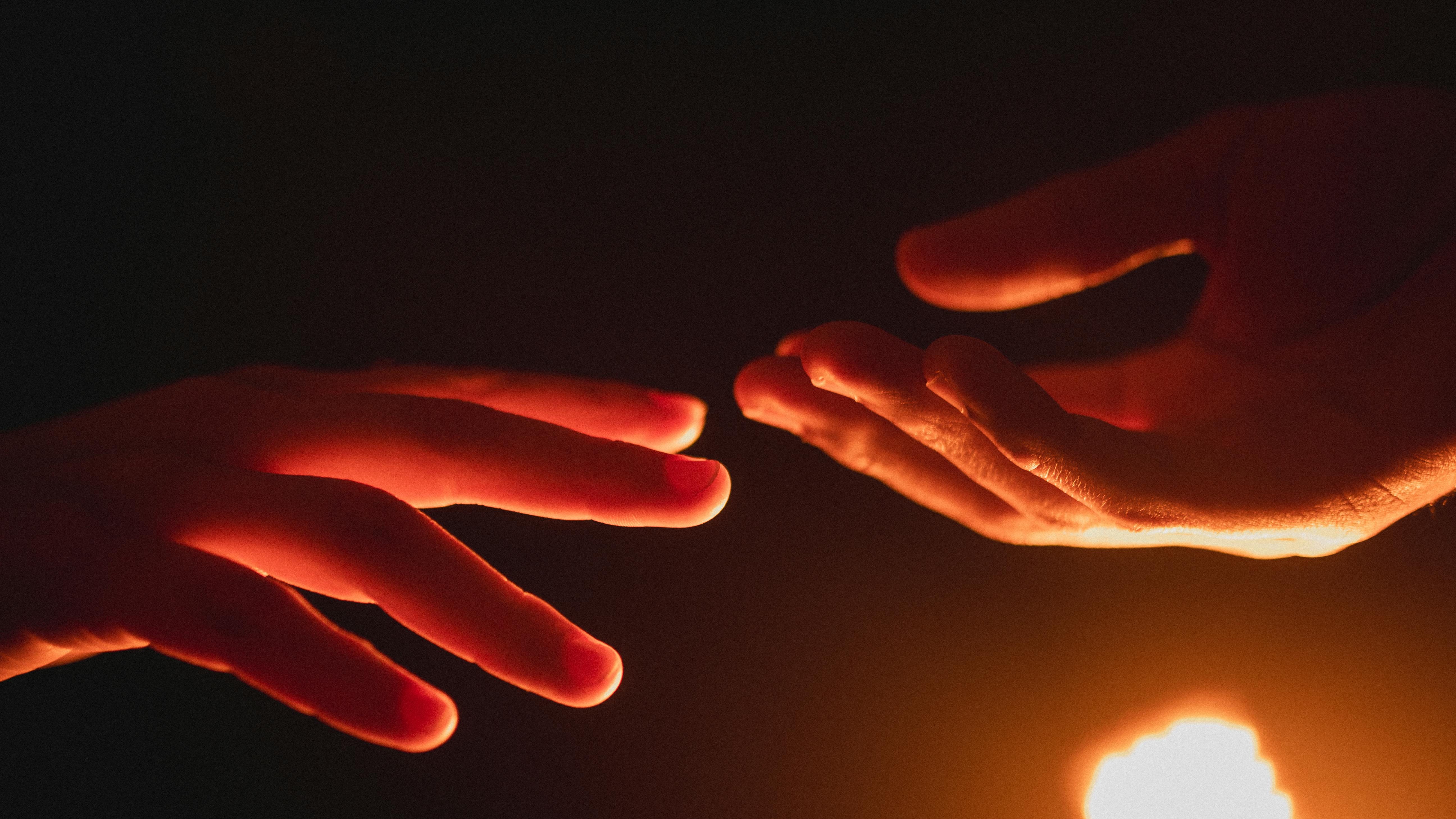
We don’t need to be stronger on our own. We need to be closer. More honest. More willing to say, “this is heavy… can you carry it with me for a while?”
Because that’s how we make it through. Not alone. Never alone.
Always… together




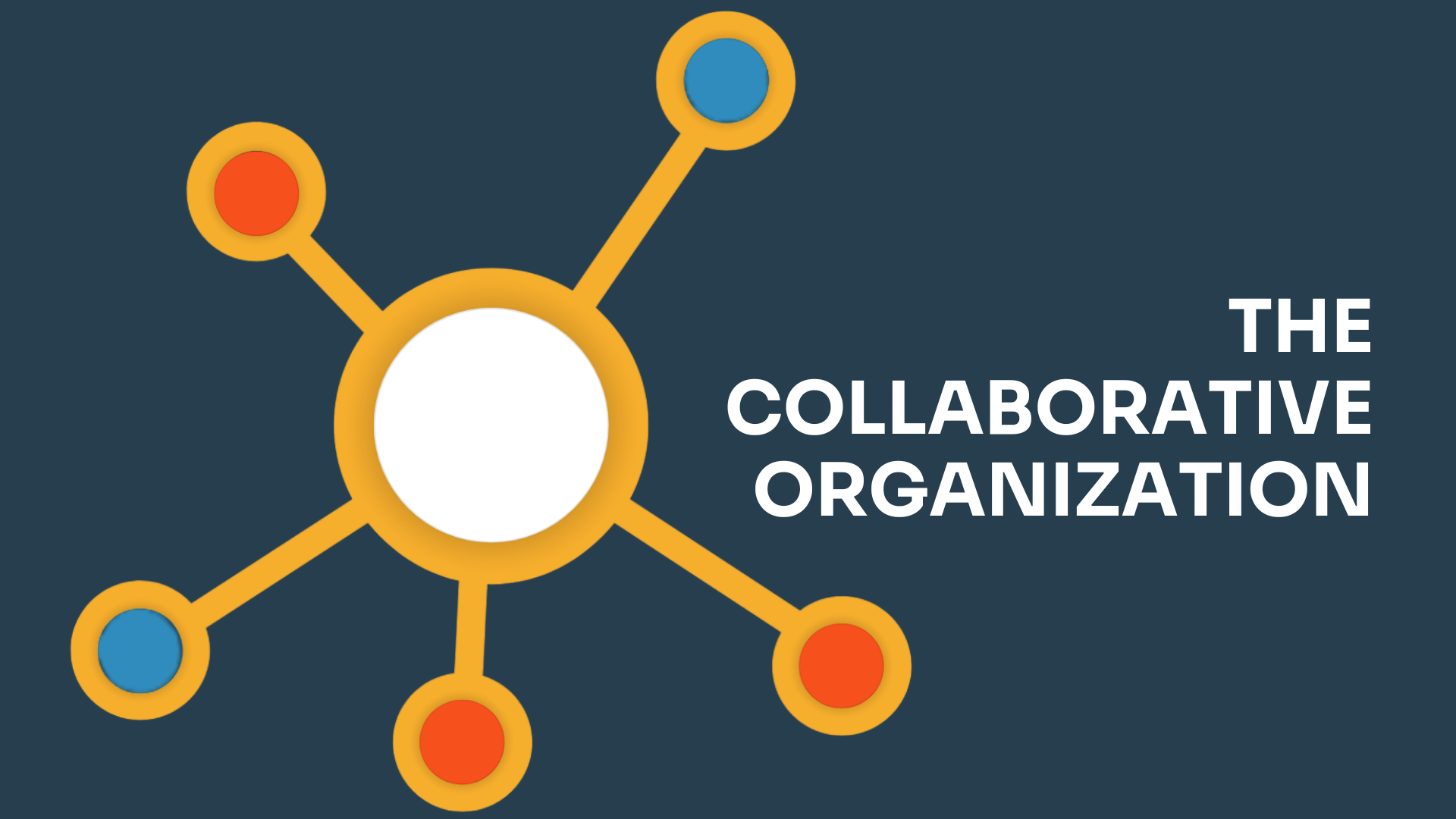
“Intentional is choosing to help someone today. Intentionality is building a culture where helping each other becomes normal.”
"Analog 2026"
The “Analog 2026” movement is a cultural trend that picked up significant momentum at the start of this year.
What it is:
The Analog trend is defined as a movement towards embracing physical and tactile experiences over digital ones. It’s not anti-technology, but there’s more intention behind the use of technology and a growing philosophy centered around slow living, mindfulness, and a return to physical creation.
What’s driving it:
It’s different from a short-term digital detox — it’s an effort to slow down and find tangible ways to complete daily tasks and find entertainment, especially as generative AI platforms increasingly do the thinking and creating for us. Individuals report that excessive screen time leads to feeling overwhelmed, anxious, and unsatisfied with their lives.
What it looks like in practice:
Common swaps include using a digital camera instead of an iPhone, writing in a journal instead of the Notes app, trading Spotify’s AI-powered recommendations for a self-curated iPod playlist, and joining snail mail groups. Some people are even building “analog bags” stocked with puzzle books, knitting, magazines, and sketchbooks to combat online dependency.
The numbers:
Arts and crafts company Michael’s has seen real effects: searches for “analog hobbies” on its site increased 136% in the past six months, sales for guided craft kits increased 86% in 2025, and searches for yarn kits increased 1,200% in 2025.
The criticism:
Perhaps the most pressing criticism is the irony of promoting an analog lifestyle online. There’s also the question of whether this is overconsumption masquerading as wellness; the implication being that to succeed at going analog, you must first buy a bunch of new things. Critics also point out that the lifestyle can be expensive and therefore exclusionary.
The bigger picture:
Calling 2026 “the year of analog living” is arguably an aspirational forecast rather than a proven cultural majority. The movement builds on pre-existing digital-minimalism currents, intensified (but not created) by AI anxiety. The real story is balance: consumers seek intentional technology use that enhances, rather than replaces, human creativity and community.
In short, it’s less a revolution and more a collective cultural exhale; a pushback against algorithmic overload and AI fatigue that’s reshaping how many people relate to their devices and their time.